



GARDENS, GROWING SPACES & WHOLE-SITE PROJECTS
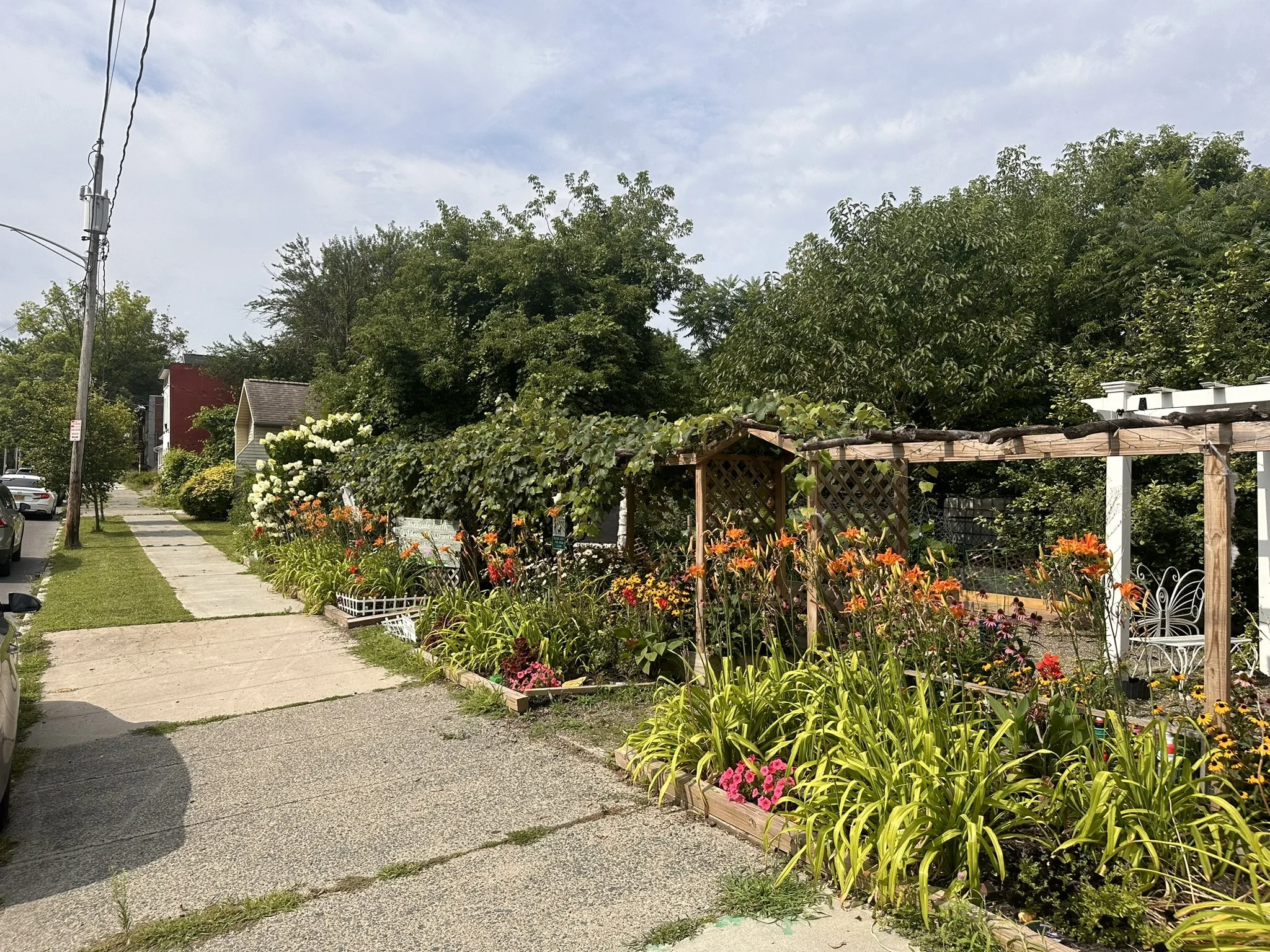
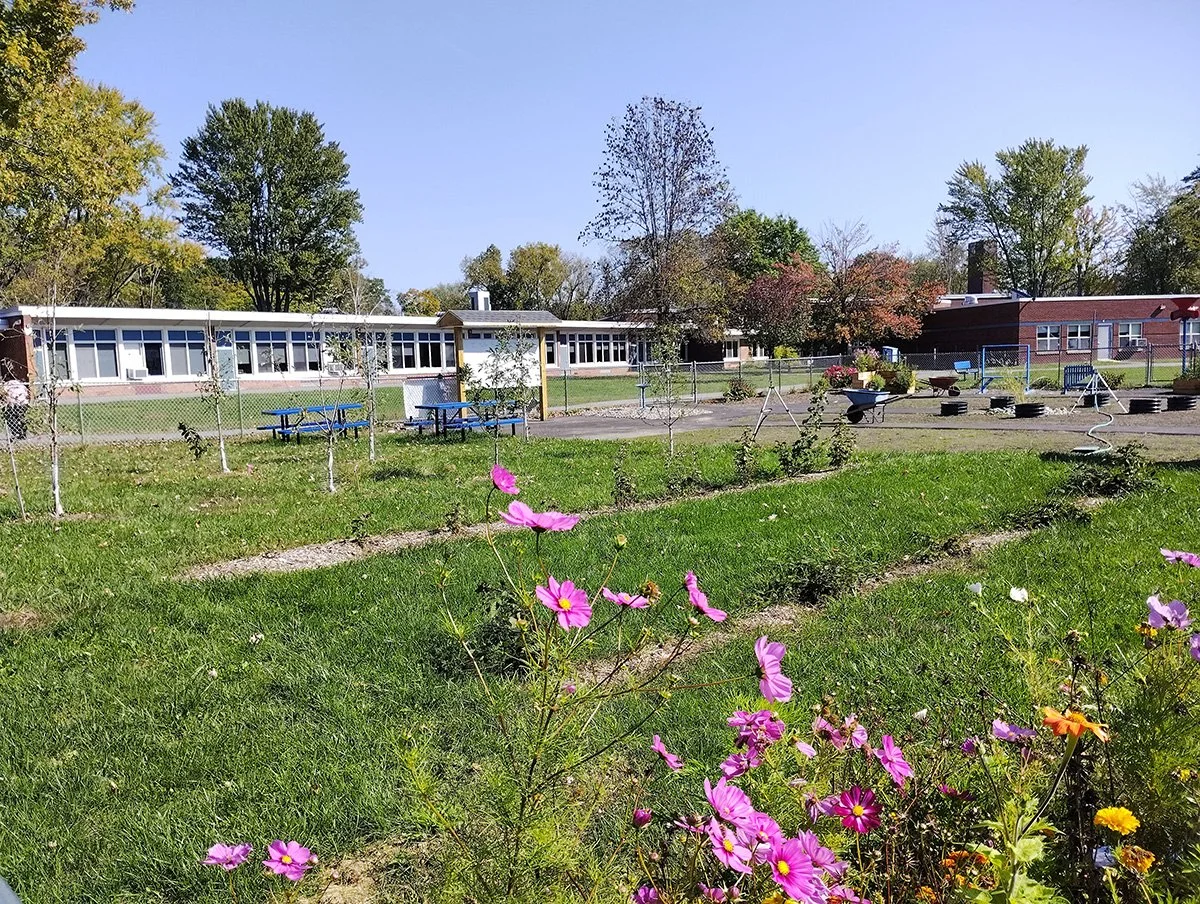
Sunray Sustainability works with schools, nonprofits, municipalities, and community organizations throughout Albany and Upstate New York to create and sustain gardens, orchards, food forests, outdoor learning spaces, composting systems, and other productive site projects.
Whether you're starting with an idea, improving an existing site, or thinking about the long-term use of a location, we can help you understand what's possible, develop a practical plan, and bring projects from concept to implementation.
Our work can begin with a single consultation or develop into a larger planning, implementation, or educational partnership.
ON-SITE CONSULTATION
A good place to start.
Sometimes a project doesn't need a complete design. It needs an experienced set of eyes, a conversation on the ground, and a clear path forward.
During an on-site consultation, we'll walk the project location together, discuss your goals and challenges, assess existing conditions, explore possibilities, and identify practical next steps.
Consultations can be useful when you're considering a new garden or orchard, improving an existing growing space, developing a composting project or outdoor learning area, thinking through infrastructure, or simply trying to determine how a property or location could be better utilized.
Consultations are available in half-day and full-day formats. Following a brief introductory conversation, we'll recommend the format that best fits your project.
PROJECT DESIGN & PLANNING
Turning an idea into a workable project.
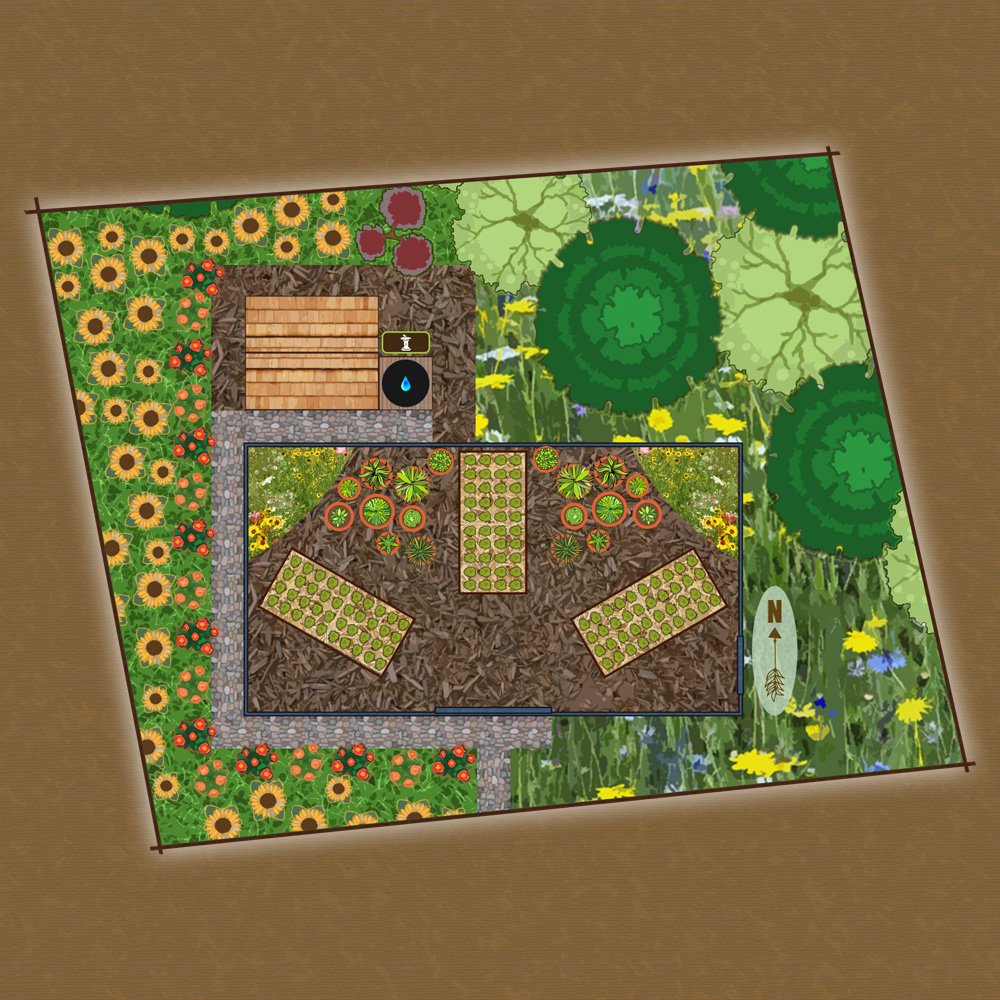
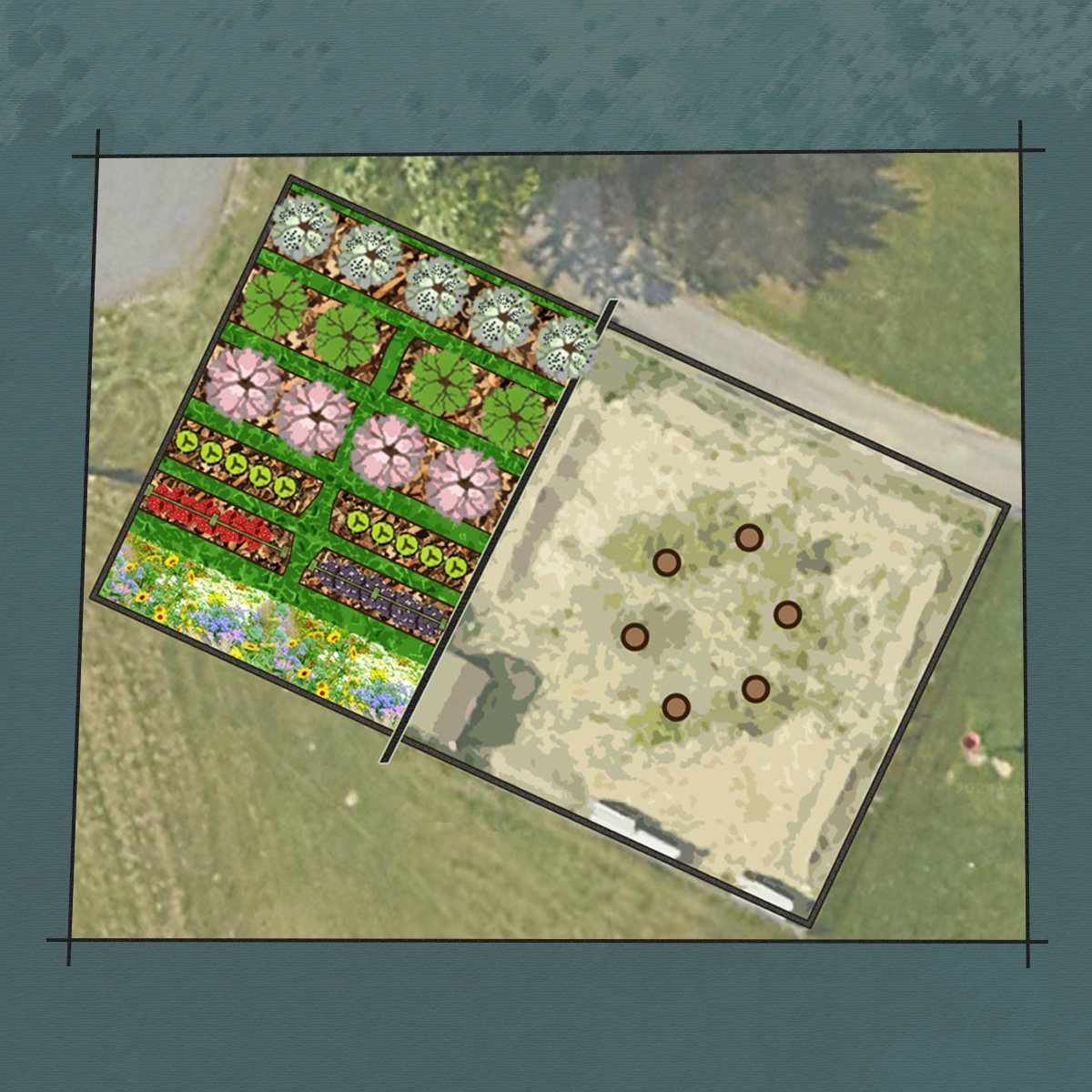
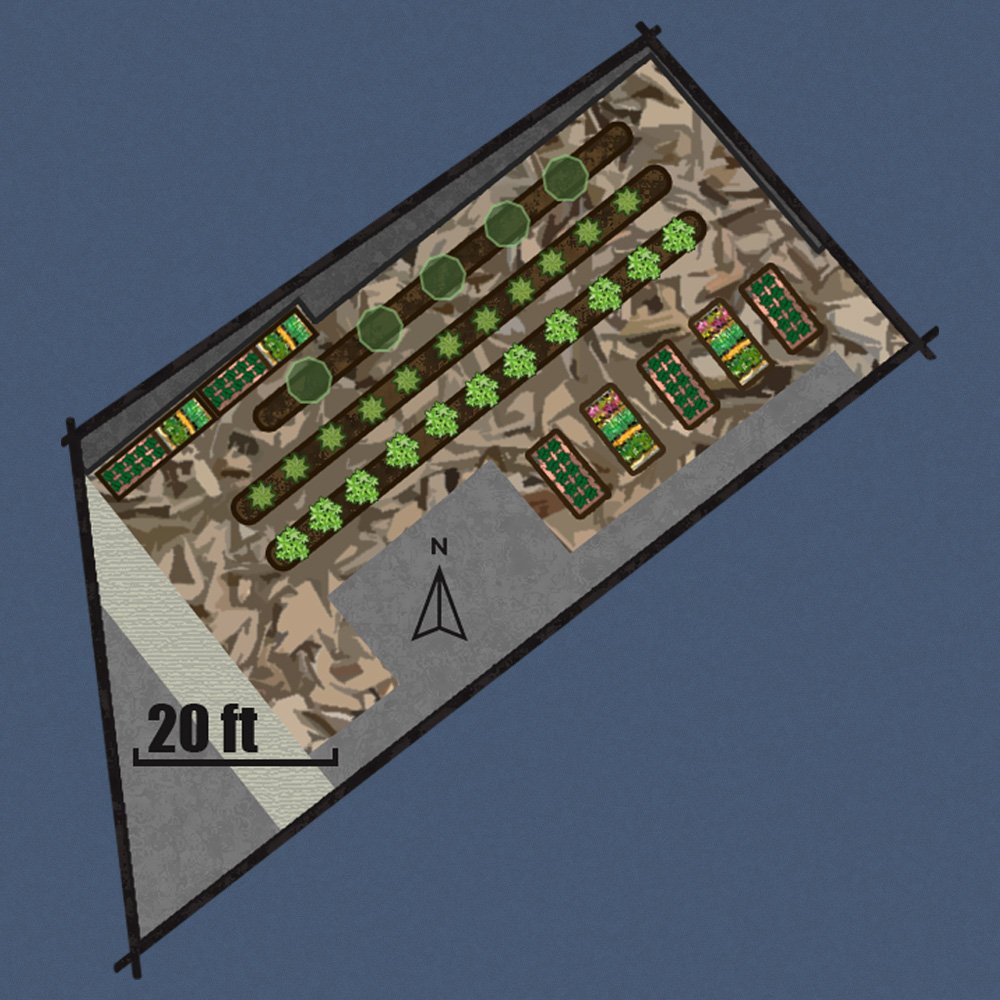
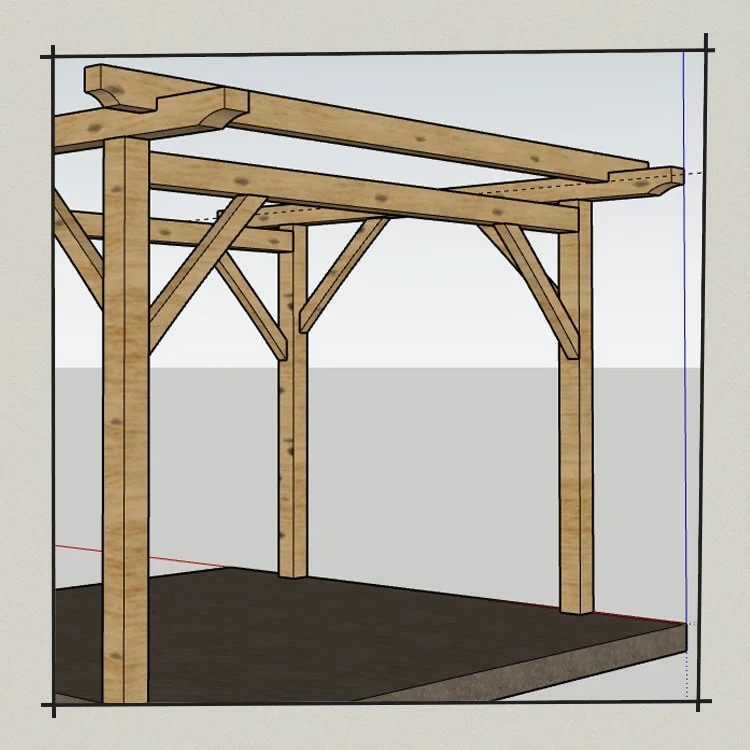
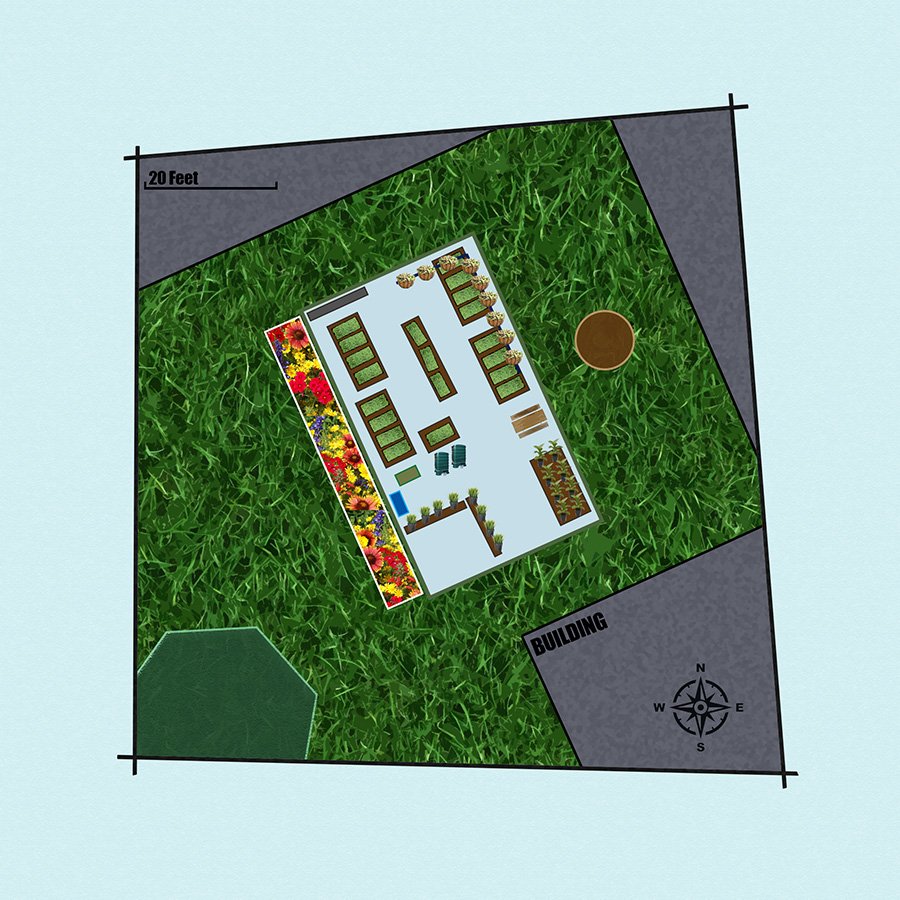
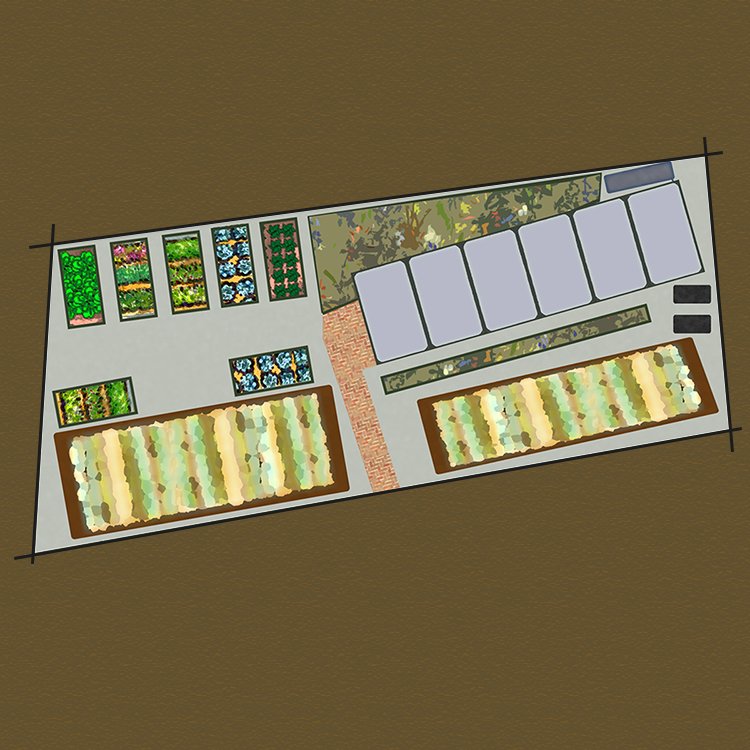
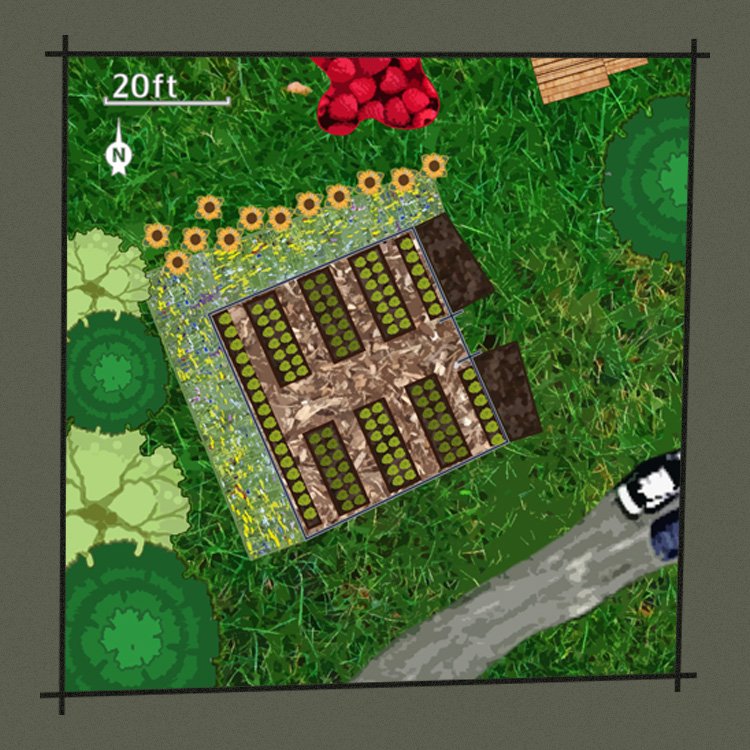
When a project needs more than an on-site conversation, we can develop a plan for an individual garden, orchard, food forest, composting system, outdoor learning space, or other aspect or area of a site.
Depending on the project, planning may include:
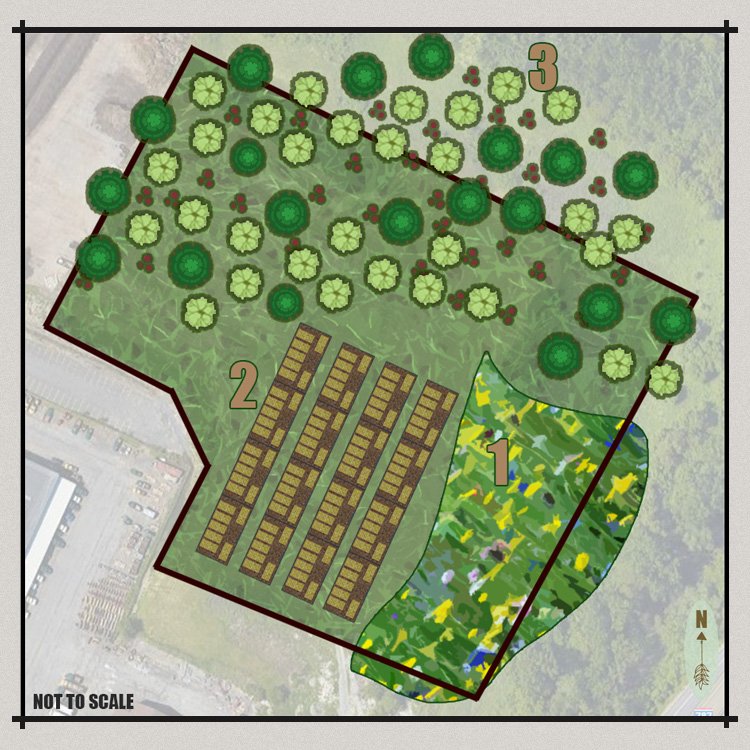
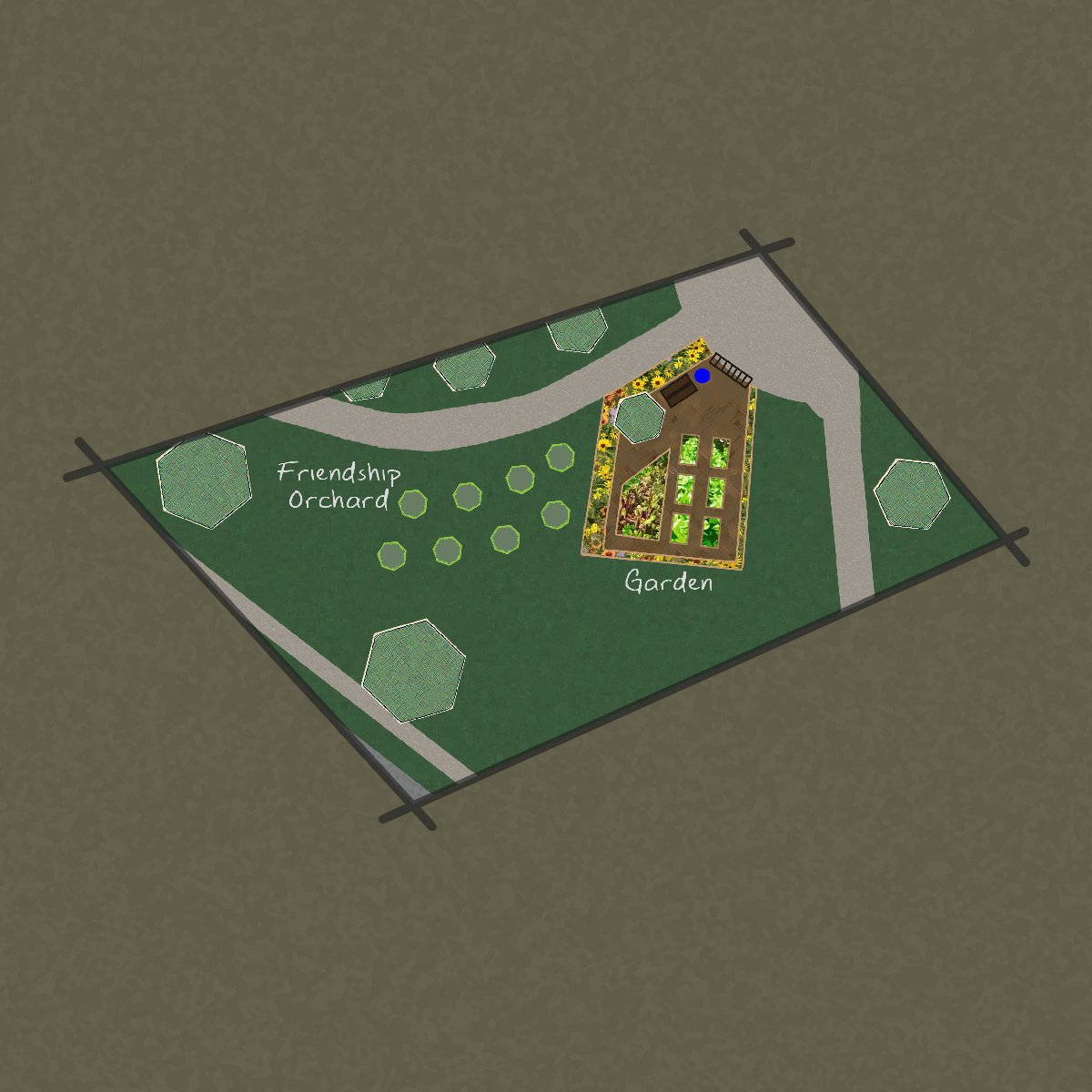
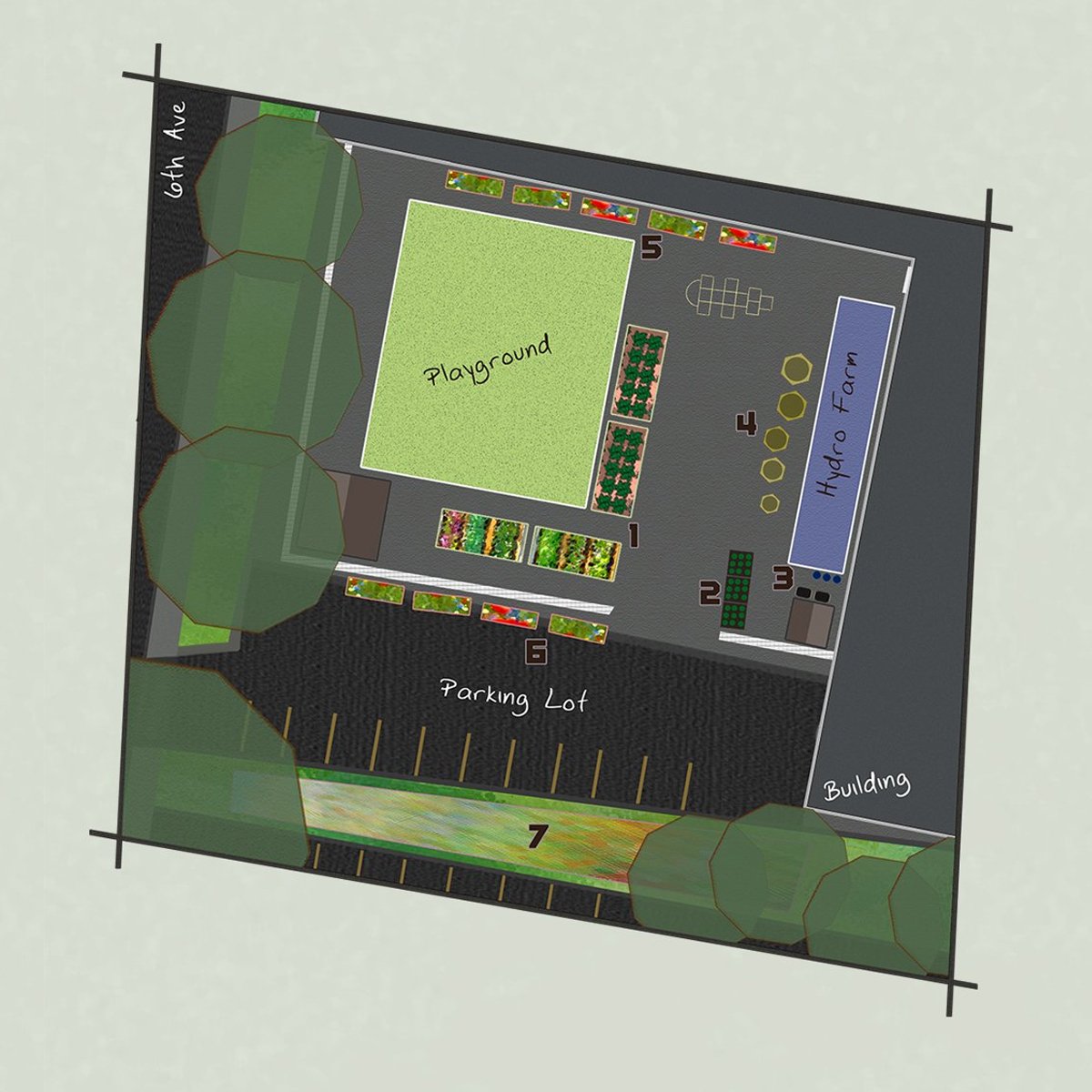
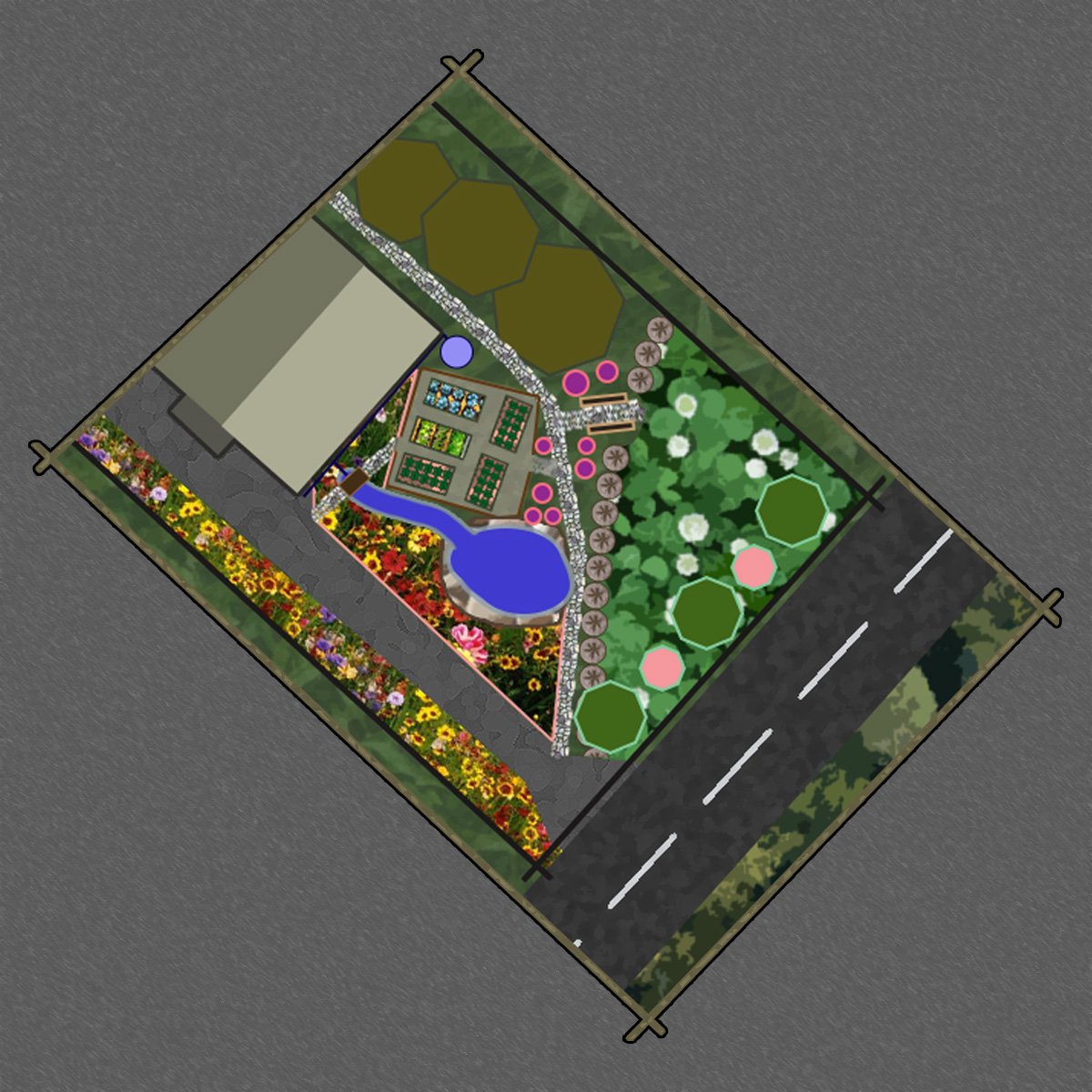
Concept and site plans
Garden, orchard, and planting layouts
Plant and species recommendations
Composting and site-system planning
Water, access, and circulation
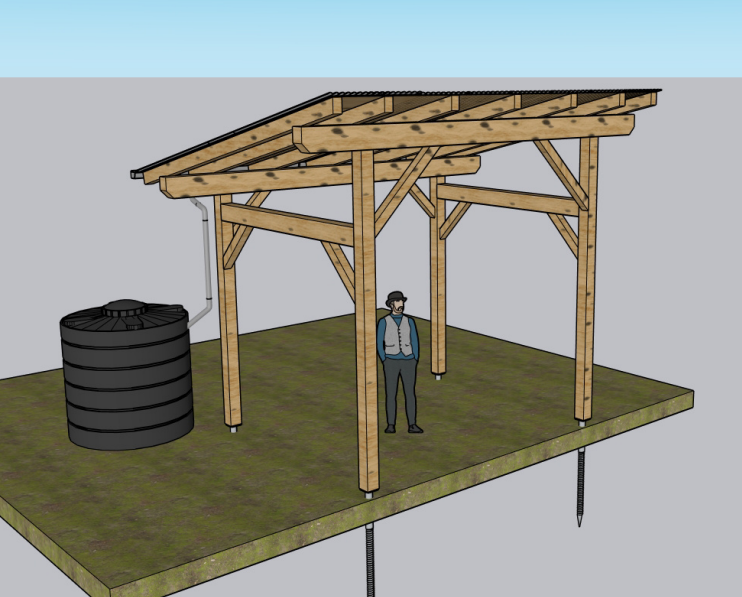
Infrastructure considerations
Materials and implementation recommendations
Project phasing and next steps
The goal is not simply to produce a plan, but to develop something practical for the organization to establish, use, care for, and adapt over time.
Design and planning services are scoped according to the size, complexity, and needs of the project. Following an initial conversation or site consultation, we'll provide a clear scope and project fee.
WHOLE-SITE PLANNING
Looking beyond the individual garden.
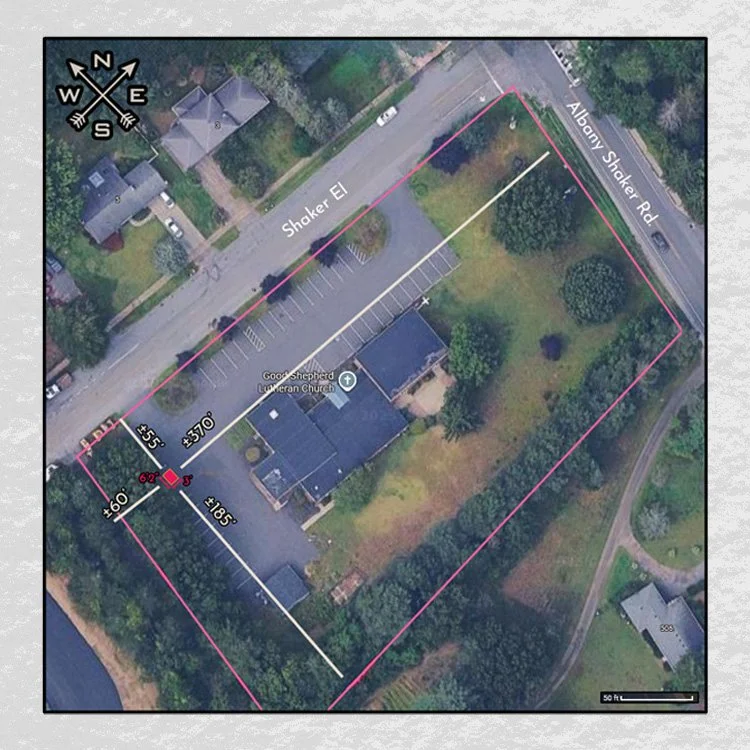
Sometimes the question isn't simply Where should the garden go? It's how growing spaces, composting, water, pathways, gathering areas, structures, learning spaces, and other infrastructure should work together across an entire property.
Whole-site planning considers these elements as parts of a connected place.
We work with organizations to understand existing conditions, patterns of use, current challenges, future goals, and opportunities for the property, then develop a cohesive vision that can guide improvements over time.
A whole-site plan can help an organization:
Establish priorities
Coordinate individual projects
Develop a shared vision for a property
Plan infrastructure alongside landscapes
Identify opportunities for future programming
Pursue grants and other project funding
Divide larger projects into manageable phases
Whole-site planning is developed as a project-based scope, with fees based on the size and complexity of the property and the level of planning required.
PROJECT IMPLEMENTATION
From plans to places.
Our involvement doesn't necessarily end when the plan is finished.
We can help establish the landscapes and site systems we've developed together, providing continuity between planning and what actually happens on the ground.
Depending on the project, implementation may include:
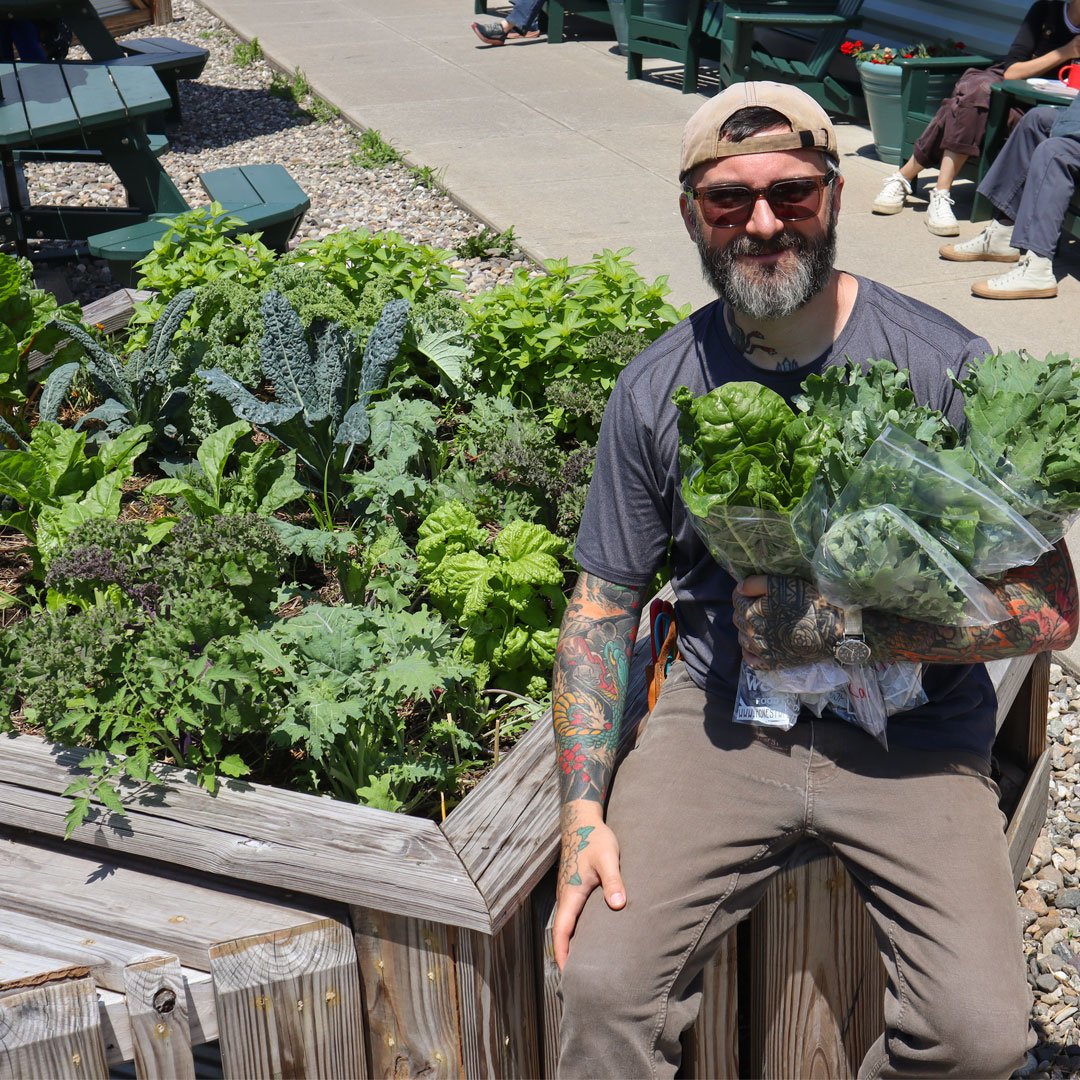
Garden and growing-space establishment
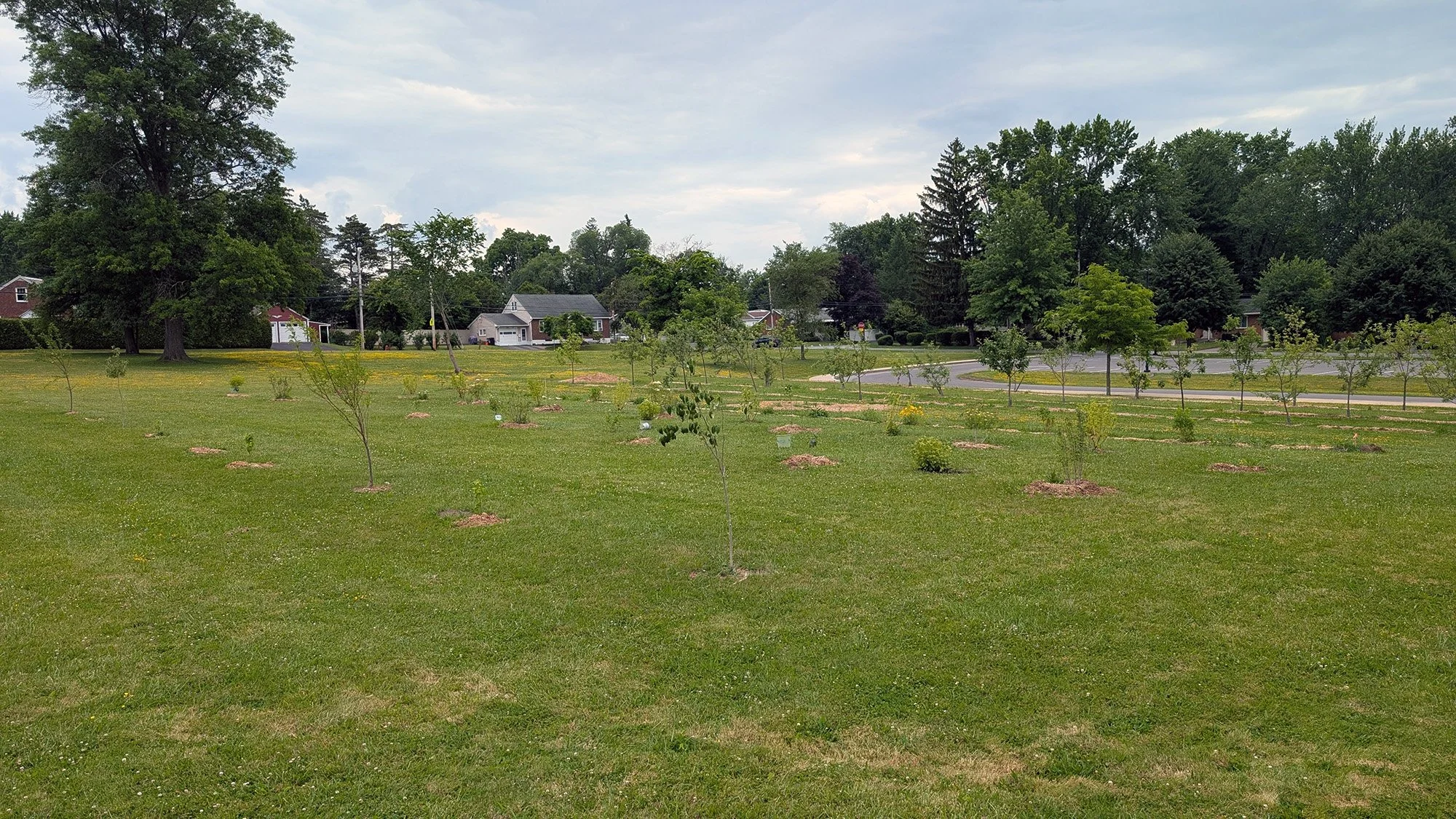
Orchard and food forest planting
Perennial and agroforestry systems
Site preparation and planting
Composting systems
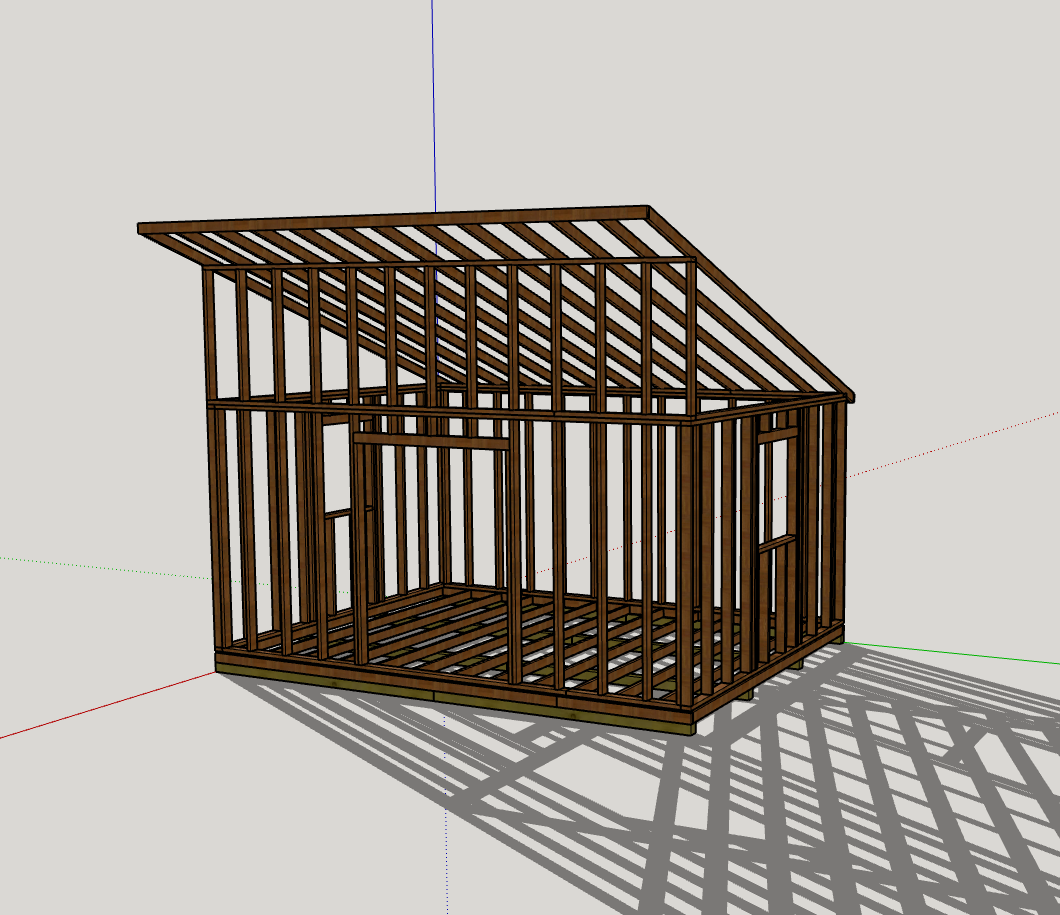
Pathways and site improvements
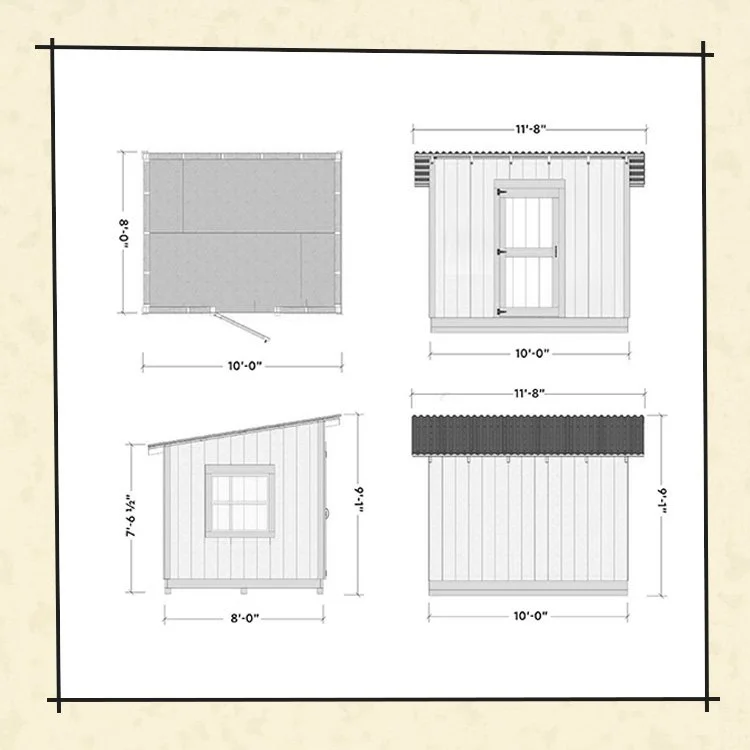
Small-scale agricultural and landscape infrastructure
Plant and material sourcing
Coordination of project phases
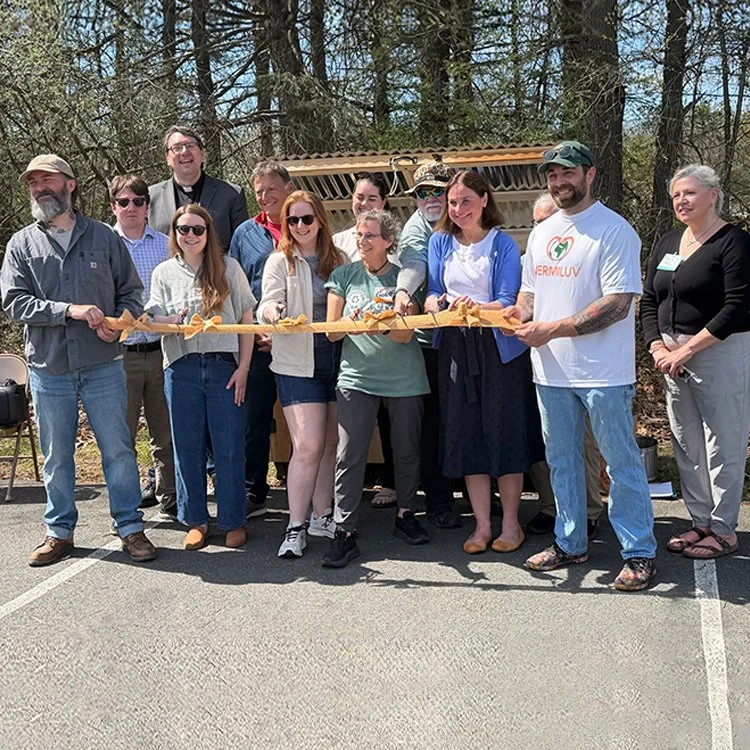
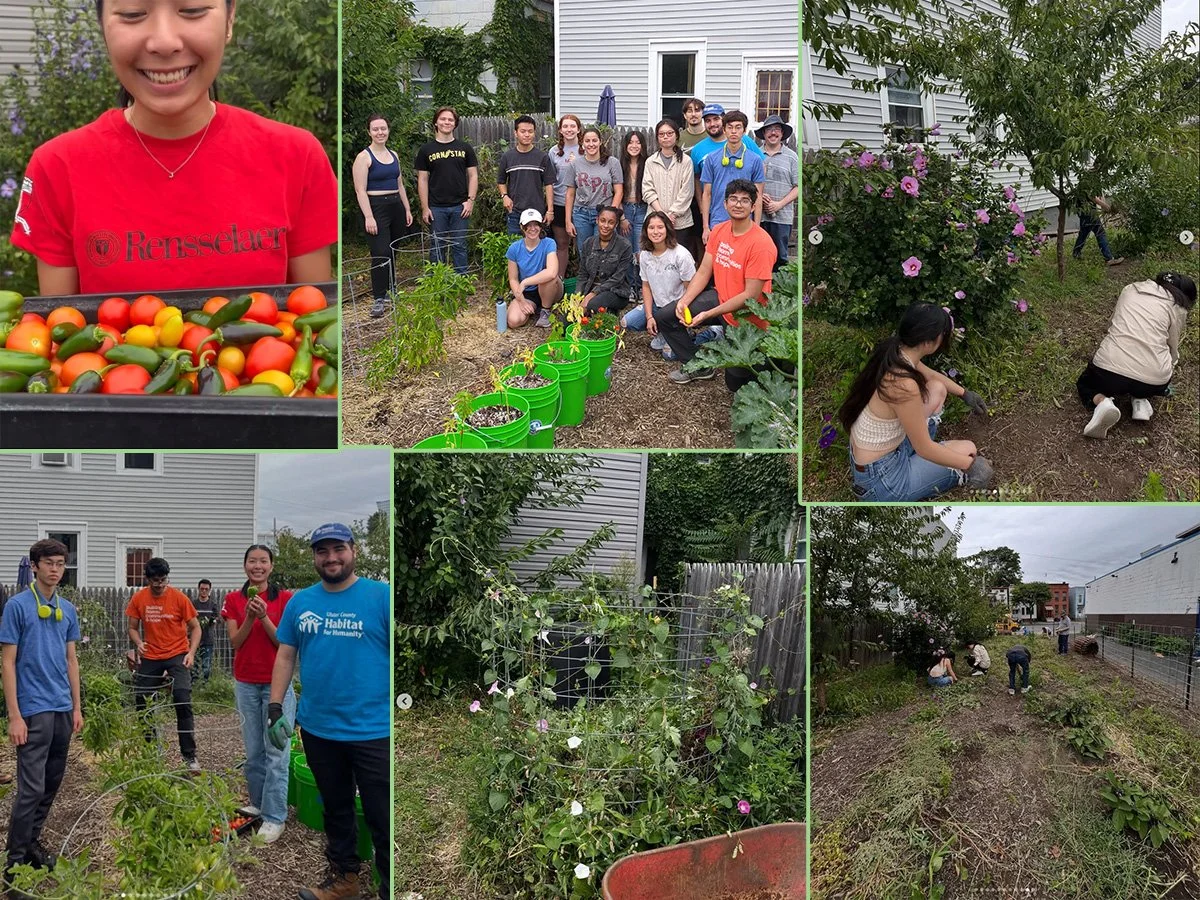
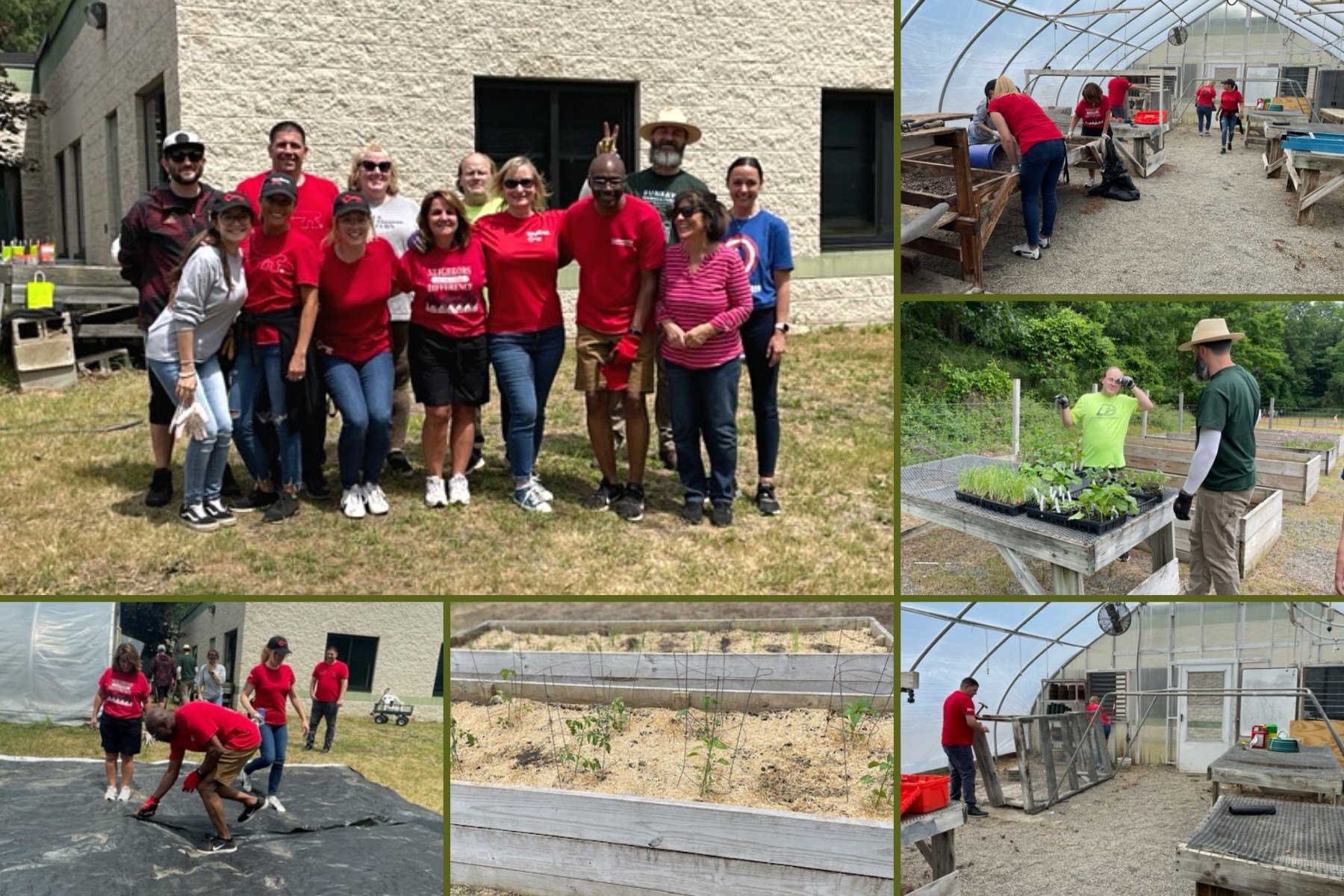
Volunteer and community workdays
Some projects can be completed in a single phase. Others may develop over several seasons as funding, organizational capacity, and priorities allow.
Implementation is scoped and quoted separately based on the needs of each project.
EDUCATIONAL & INSTITUTIONAL PARTNERSHIPS
Landscapes designed to be used, cared for, and learned from.
For schools and community organizations, creating the physical space may only be the beginning.
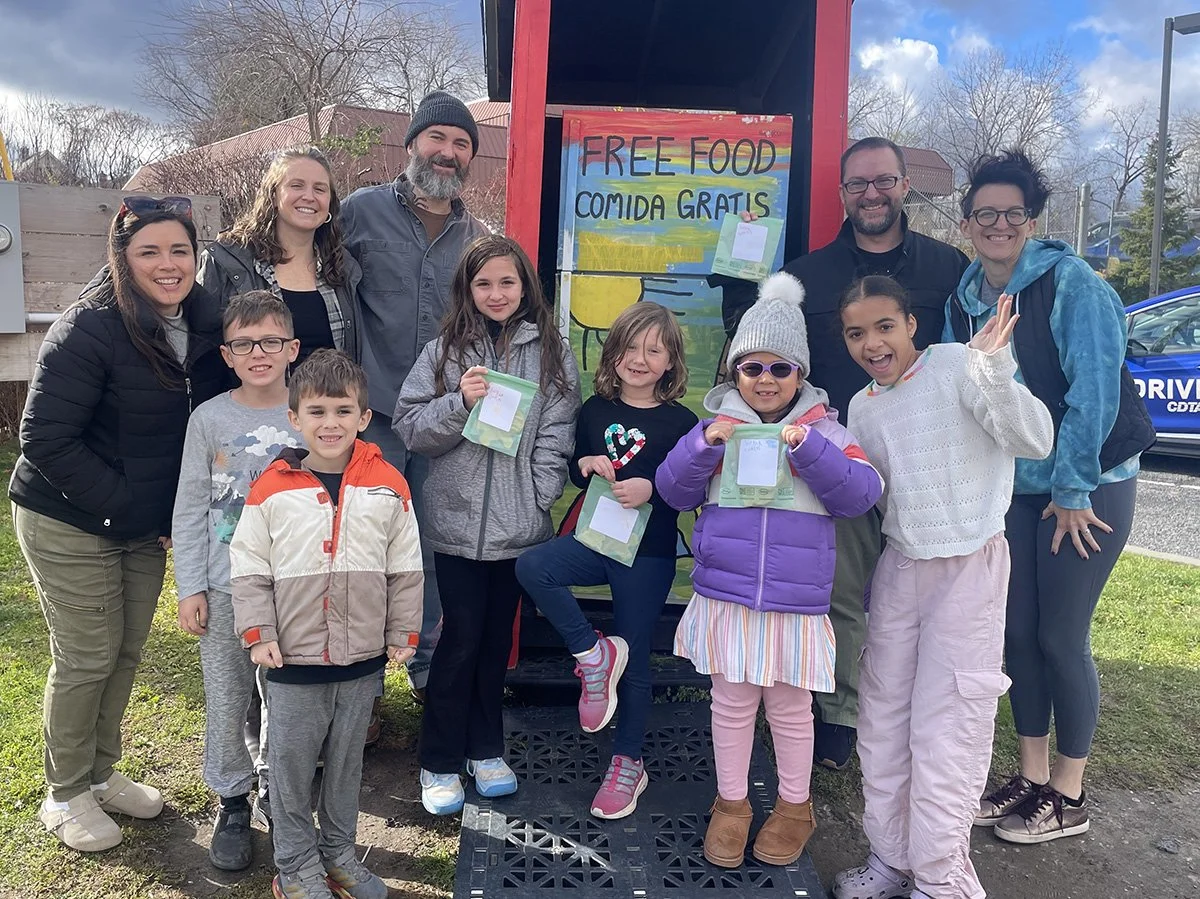
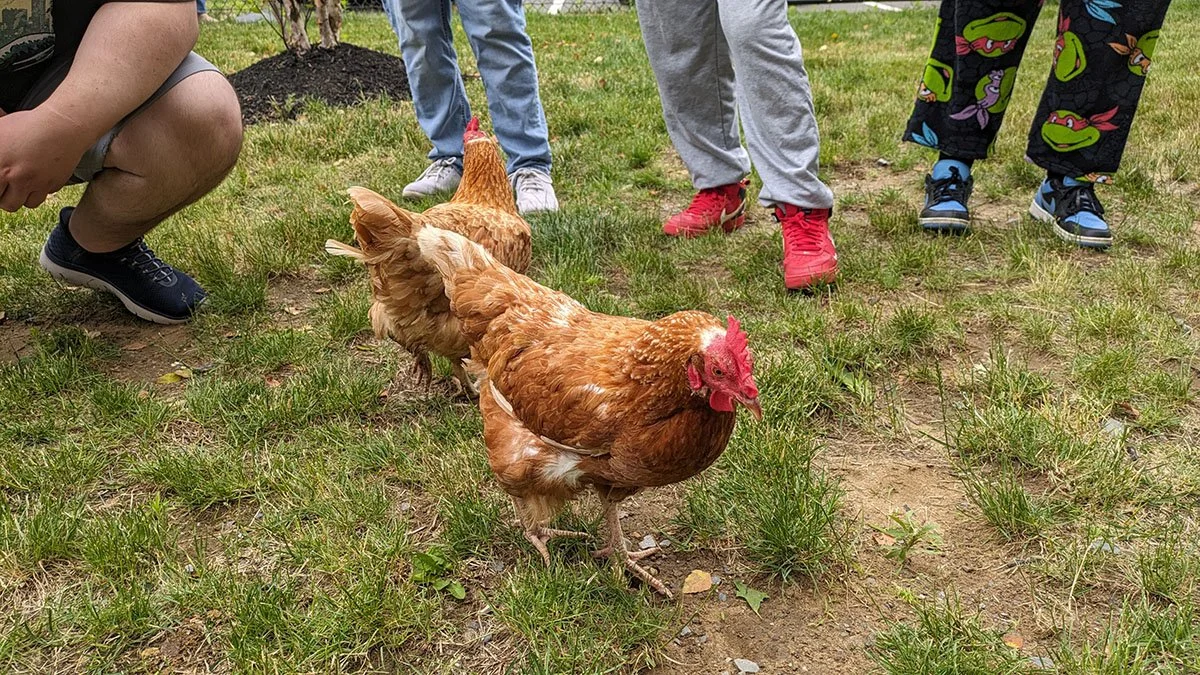
Sunray develops ongoing partnerships that connect the care and stewardship of gardens, greenhouses, orchards, food forests, composting systems, and other living landscapes with hands-on learning and community participation.
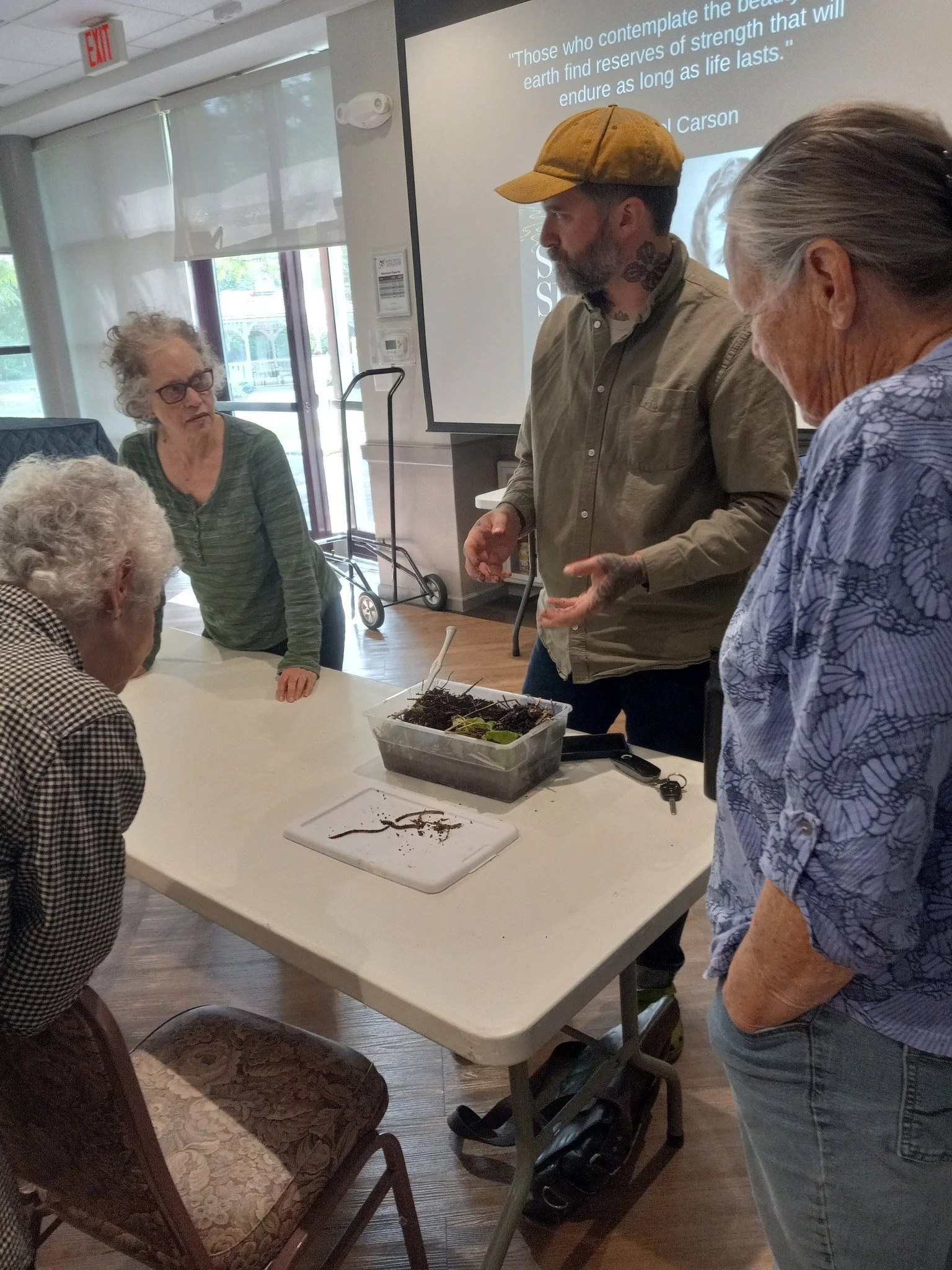
Depending on the organization, a partnership might include seasonal programming, workshops, garden and greenhouse activities, student projects, planting and harvest days, stewardship, project development, or ongoing support for the landscape itself.
Rather than separating education from the care of the site, these partnerships can use the ongoing life of the landscape as part of the learning experience.
Partnerships are developed individually around the site, schedule, participants, and educational goals of each organization.
PLANTS & NURSERY STOCK
Plants for productive landscapes.
Through Sunray Community Farm, we grow perennial plants for gardens, orchards, food forests, farms, and agroforestry systems.
Our nursery focuses on fruiting shrubs and trees, perennial crops, and multifunctional plants selected for productive and resilient landscapes.
When appropriate, plants grown at the farm can be incorporated directly into projects planned and established by Sunray Sustainability, connecting plant selection, site planning, and establishment as part of the same project.
PROJECT SCOPE & BUDGETS
Building projects around real organizations and real resources.
Every site and organization is different. Rather than applying a single pricing structure to every project, we develop scopes based on the site's needs, project complexity, desired outcomes, and the level of involvement required.
We regularly work with schools, nonprofits, municipalities, and community organizations where projects may be supported through grants, program funding, capital budgets, donations, or defined project allocations.
Larger projects don't necessarily need to happen all at once. When appropriate, we can develop a long-term plan and divide implementation into manageable phases that align with available funding, organizational capacity, and priorities.
The first step is a brief introductory conversation to learn about your organization, site, and project. From there, we'll recommend an appropriate next step and discuss the scope and cost before any work begins.

Not sure
where to start?
Schedule a complimentary 15-minute call to tell us about your site, goals, timeline, and project budget. We'll help determine whether Sunray is a good fit and recommend an appropriate next step.
On top of numerous residential and private land stewards as clients, we are thankful to the many community partners, and organizations we have worked alongside over the years.